
US Market Entry · Switzerland · Precision & Sensor Manufacturers
US operations for Swiss defense manufacturers: the precision stays Swiss, the controlled work becomes US-origin.
Switzerland is a DFARS qualifying country under a reciprocal defense-procurement agreement in force since 2007, so your end products already carry a procurement preference. Swiss-origin defense content still runs through the War Materiel Act non-re-export regime that has, in real cases, frozen allied re-exports. For sustained US-market defense work, you perform the controlled work as a US operation, inside a US-person boundary. I stand it up and run it to a CMMC and ITAR-ready posture, in the New England corridor.
The direct answer
How a Swiss manufacturer enters the US defense market.
A Swiss precision, sensor, or electromechanical manufacturer enters the US defense market by standing up a compliant US operation: a US entity, a US-person data boundary, and a floor at a CMMC Level 2 and ITAR-ready posture from the day it opens. Qualifying-country status under the reciprocal defense-procurement agreement in force since 2007 gives your end products a procurement preference. It waives neither ITAR nor CMMC, and it does not resolve the Swiss-origin re-export question that neutrality and the War Materiel Act create. Performing the controlled work as a US operation does, and building that operation is the work.
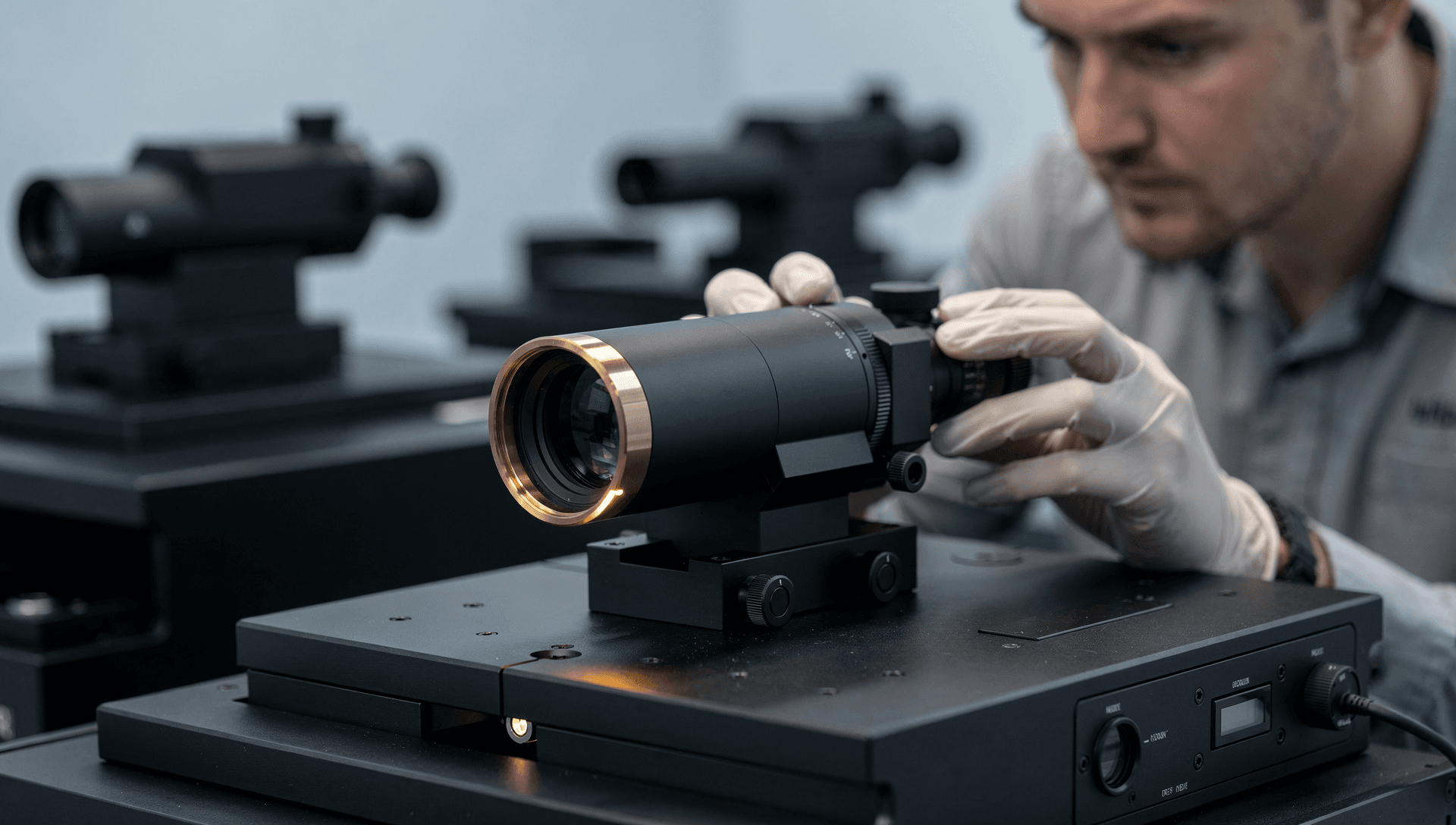
Switzerland's edge is precision. The watch, microtechnology, and mechatronics cluster builds sensors, actuators, and high-tolerance components at a level the DoD wants in its sub-tier, and Swiss precision already sits inside US programs: Beyond Gravity, formerly RUAG Space, supplies payload fairings on United Launch Alliance rockets from a base that spans the United States. Onshoring extends a pattern that already works.
What makes the Swiss case distinct is jurisdiction over the controlled work. Selling controlled defense content from Switzerland runs through the War Materiel Act non-re-export and End-User-Certificate regime that SECO administers, and neutrality policy has, in real cases, refused allied re-exports of Swiss-origin materiel. That regime is not absolute: SECO waives the non-re-export declaration for parts and assemblies integrated into a foreign end product and not re-exported unmodified, so a Swiss component maker can still export. The point is narrower. For sustained US-market defense work, a US prime wants the availability question off the table, and performing the controlled work as a US-origin operation removes it.
For that work, the answer is the one every allied manufacturer reaches: a US operation that holds controlled technical data compliantly, near the primes, on a CMMC Level 2 and ITAR-ready floor. The Swiss driver is the reason to reach it. The build is my standard 90-day operating engagement, run in the New England corridor where the prime relationships, the supply base, and the compliance depth already are.
Know your work class
Most Swiss sub-tier work lands in one class.
Settle which class of defense work you are chasing before anyone quotes a Swiss parent a timeline, because each class is a different build. Commercial and dual-use parts need a US entity and a clean quality system. Classified work needs a facility clearance and FOCI mitigation negotiated with DCSA, which stays with your counsel.
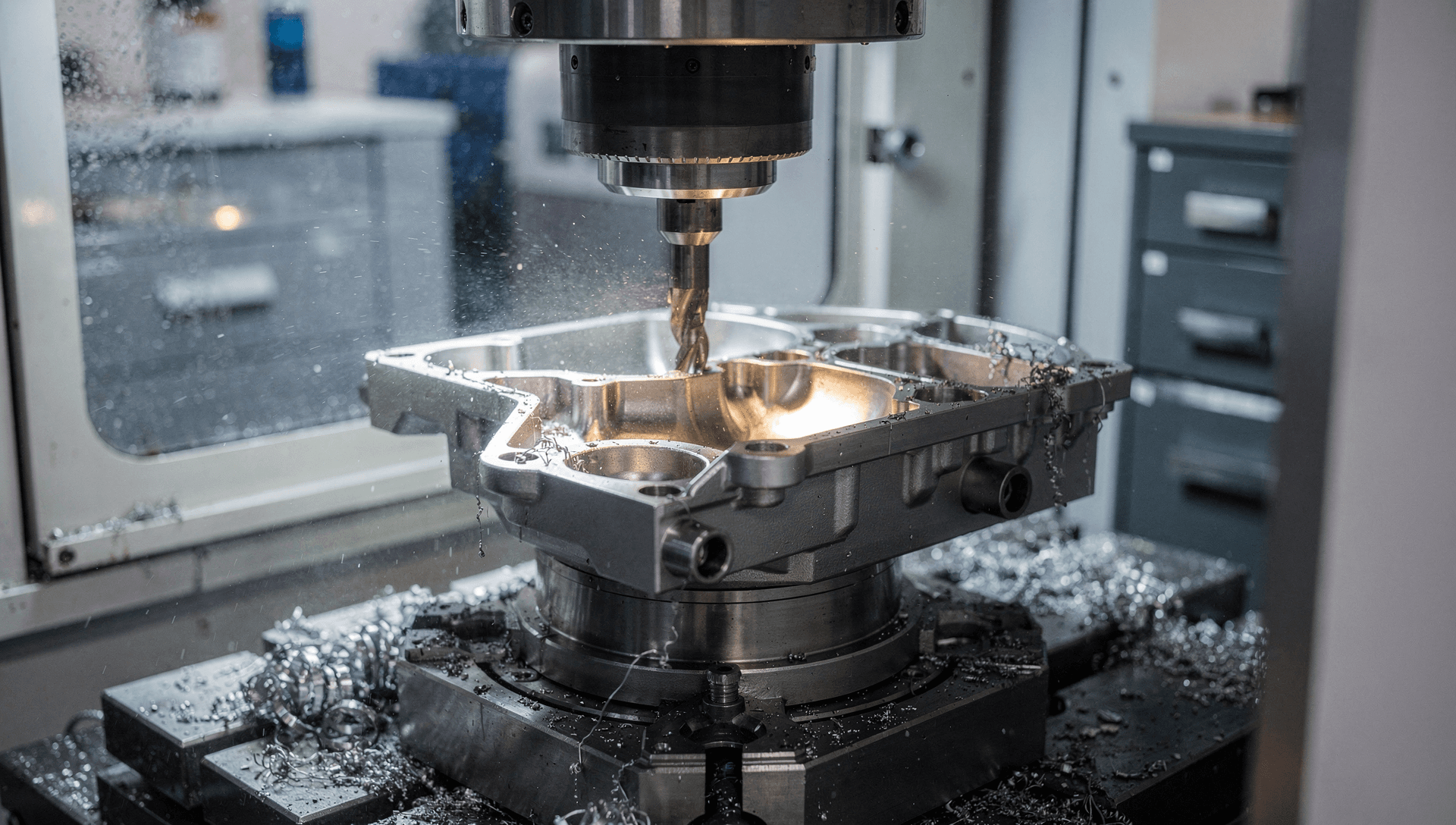
Most sub-tier DoD manufacturing sits between them: controlled technical data, CUI, ITAR-controlled but unclassified. Whether a given Swiss part is war materiel under the KMG or dual-use under the Goods Control Act is your counsel's determination. On the US side it is the controlled technical data, not the visible component, that pulls the work into ITAR and CMMC once it is specified into a DoD platform. That class needs DDTC registration, a US-person data boundary, and CMMC Level 2 in the workflow, and a foreign-owned US entity can reach it without a facility clearance.
● The class I build and run
That middle class, CUI and ITAR-controlled but unclassified, is the class I build and run. For a precision shop it usually means a tight enclave and a cleaner assessment, and it is the class a Swiss parent's US operation lives in.
The 90-day operating build
A compliant US floor in one quarter, built for a Swiss precision shop.
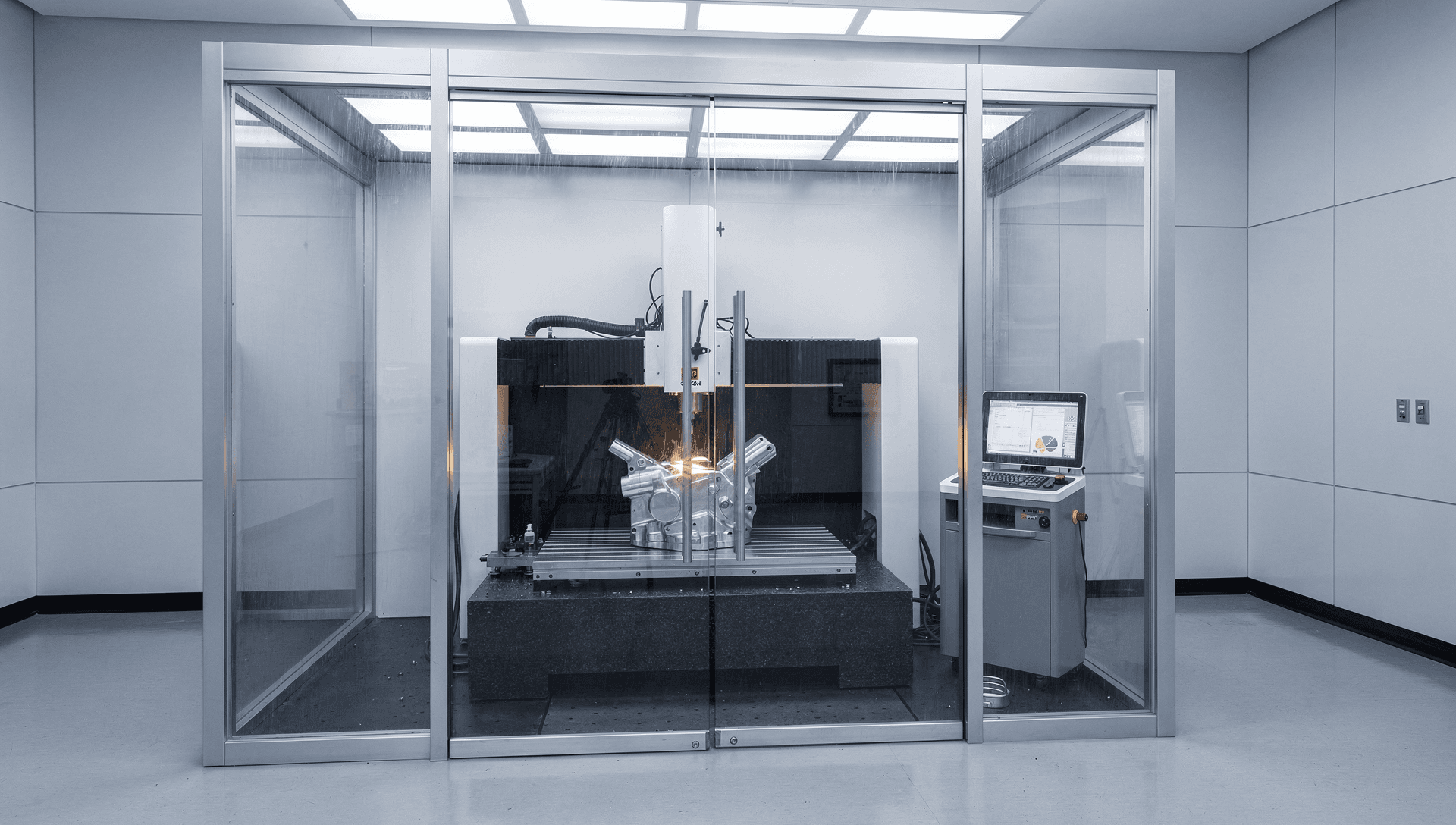
The build runs in parallel, not in sequence: a prime gate will not wait for one phase to finish. Operating model, IT and OT environment, and compliance posture come up together.
Days 1 to 30
Diagnostic and design
Stand up the US operating model on paper and on the floor: the org, the value stream, the SQDIP cadence, and the US-person data boundary your ITAR scope needs. Map with your Swiss and US export counsel which controlled work has to live inside the US operation.
Days 30 to 60
Stabilize and build
Bring the IT and OT environment to a CMMC and ITAR-ready posture from day one, not retrofitted later. Scope the CUI enclave tight around a precision shop's real controlled data so the assessment stays sane and the parent's access is governed by design.
Days 60 to 90
Qualify and run
Sequence readiness evidence against the gate you are racing, coordinate the FOCI and DDTC steps with your counsel, and hand your team a floor that holds after I step back.
The Swiss lane, answered
Three questions a Swiss supplier asks first.
Switzerland is neutral and the War Materiel Act limits our defense exports. Does that shut us out of the US defense market?
No. It changes the path. Exporting controlled materiel from Switzerland runs through the War Materiel Act non-re-export and End-User-Certificate regime, and neutrality policy has in practice refused some allied re-exports of Swiss-origin materiel. That regime is not blanket: SECO waives the non-re-export declaration for parts and assemblies integrated into a foreign end product and not re-exported unmodified, so a component maker can still export. What a US operation adds is jurisdictional certainty: performing the controlled work as US-origin, under US export rules and inside a US-person boundary, means your US-market defense work no longer depends on Swiss-side re-export policy. Your counsel scopes which items fall where. I build and run the US operation that holds the controlled work.
We make precision sensors and mechatronics, not weapons. Does any of this apply to us?
Whether a specific part is Swiss war materiel under the KMG or dual-use under the Goods Control Act is your counsel's call, and it may be neither. On the US side, it is the controlled technical data, not the visible product, that pulls a precision sensor or electromechanical component into ITAR and CMMC once it is specified into a DoD platform. If your parts carry controlled US data, the US-person boundary and the CMMC Level 2 floor are the work, sized to a precision shop.
Is Switzerland's DFARS qualifying-country status an ITAR or CMMC waiver?
No. Switzerland is a DFARS qualifying country under a reciprocal defense-procurement agreement in force since 2007, which gives your end products a procurement preference against Buy American price differentials. It is not an ITAR exemption, a CMMC exemption, or a FOCI clearance. A Swiss-owned US operation still builds the full US-person data boundary and the CMMC Level 2 posture.
What I own
The operations partner, not the law firm.
I stand up and run the compliant US operation: the floor, the operating model, the IT and OT build, the US-person data boundary, and the readiness evidence for the gate your prime set. Entity formation, FOCI mitigation, and site selection stay with your counsel and a site-selection advisor. I coordinate with them and own the operating outcome.